THE SCIENCE OF TURRIGEN
The immune system runs on signals.
Immune aging is not simply a story of decline. It is also a story of changing communication: how immune cells recognize, coordinate and respond. Scroll to follow the science from source to capsule to human study.
Act I: What Turrigen is
The product
One capsule. A complex of biological fractions.
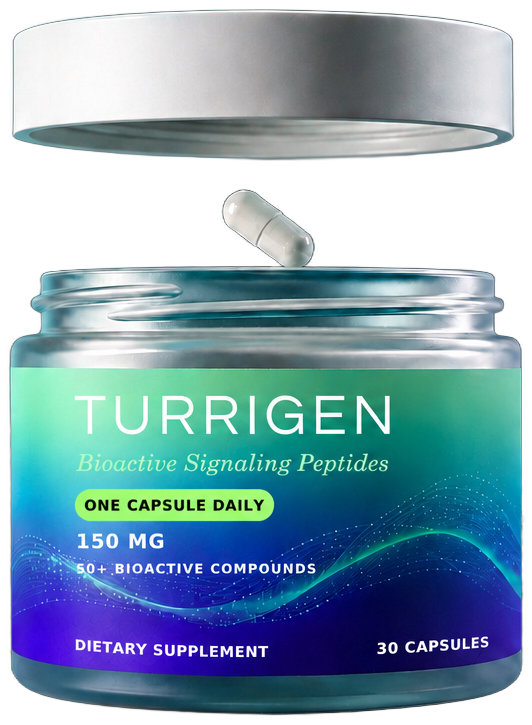
Turrigen delivers 150 mg of selectively isolated, low-molecular-weight fractions derived from bovine colostrum.
Created by nature. Refined with precision.
The active fractions begin with naturally occurring compounds found in bovine colostrum.
Selective fractionation.
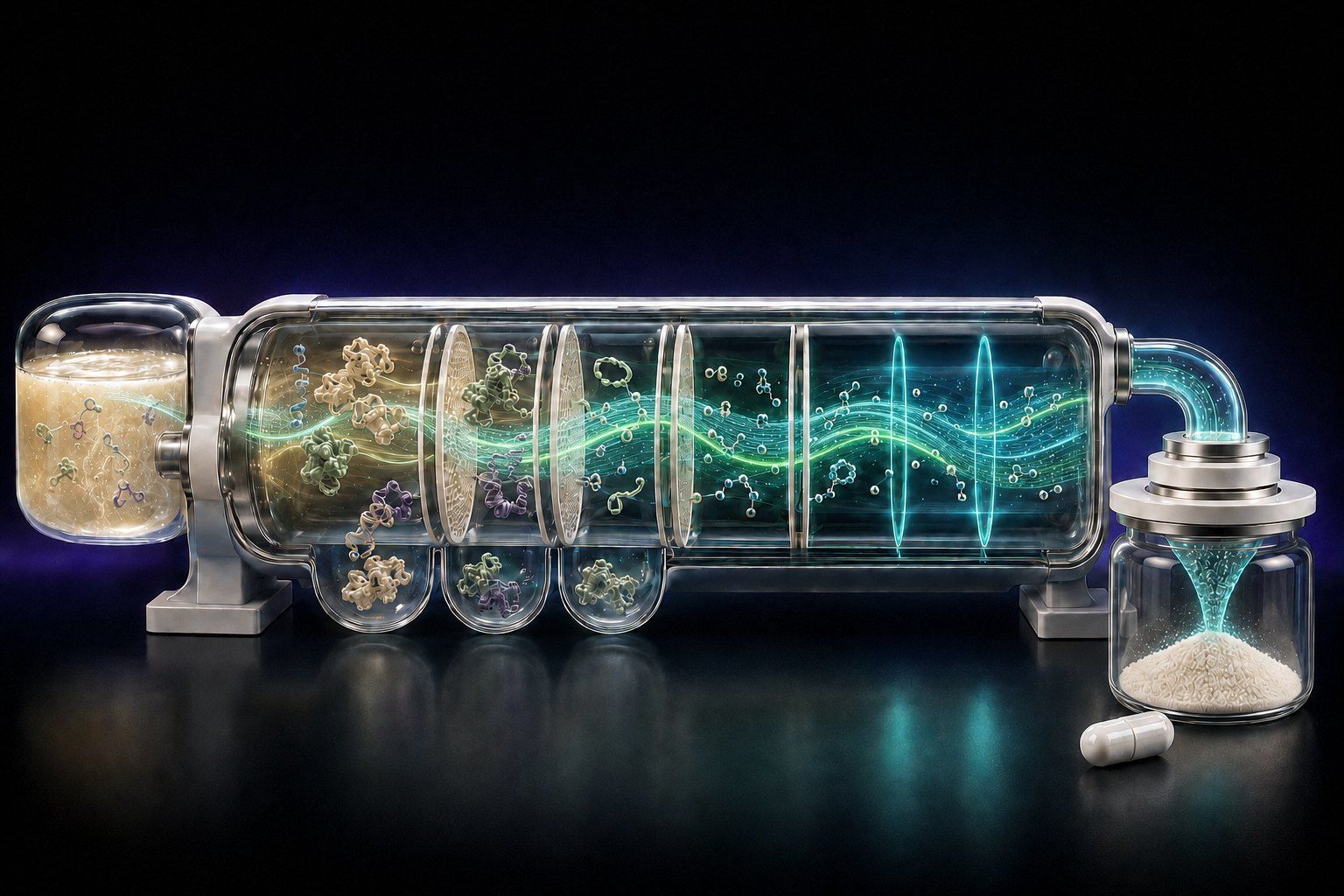
A proprietary process selectively isolates and concentrates the naturally occurring low-molecular-weight fractions.
A spectrum, not a single compound.
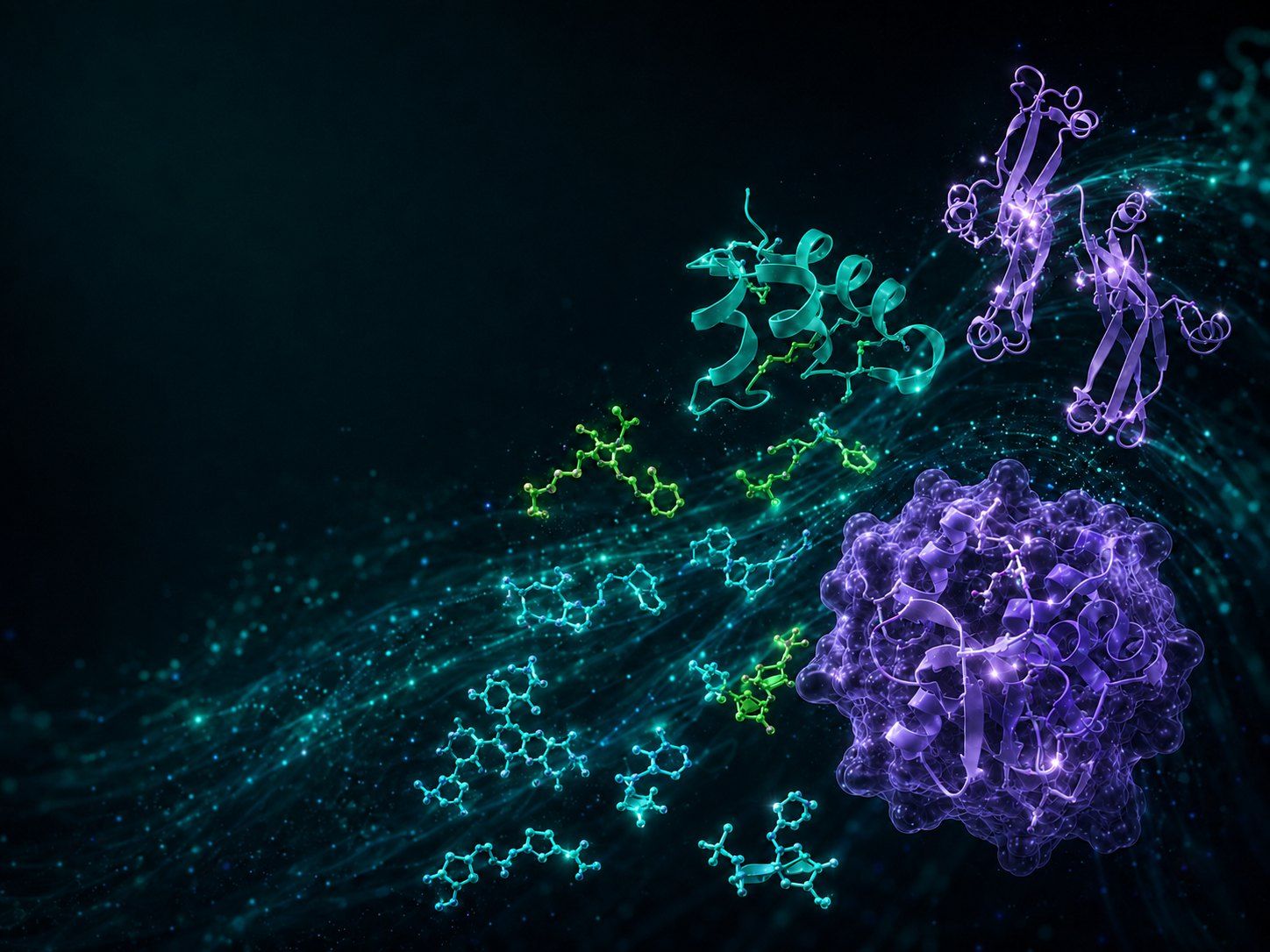
The resulting fractions contain a diverse spectrum of bioactive peptides and other low-molecular-weight compounds, including proline-rich polypeptides, insulin-like growth factor and nucleotides.
≈50 distinct compounds
Proline-rich polypeptides: the messengers.
Think of your immune system as a team that has to talk constantly to work well. Proline-rich polypeptides (PRPs for short) are tiny chains of protein building blocks that scientists have linked to that kind of cell-to-cell communication.
They are one of the signature compounds in Turrigen's fractions, and the manufacturer guarantees a minimum amount in every batch.
Sialic acid: the ID badge.
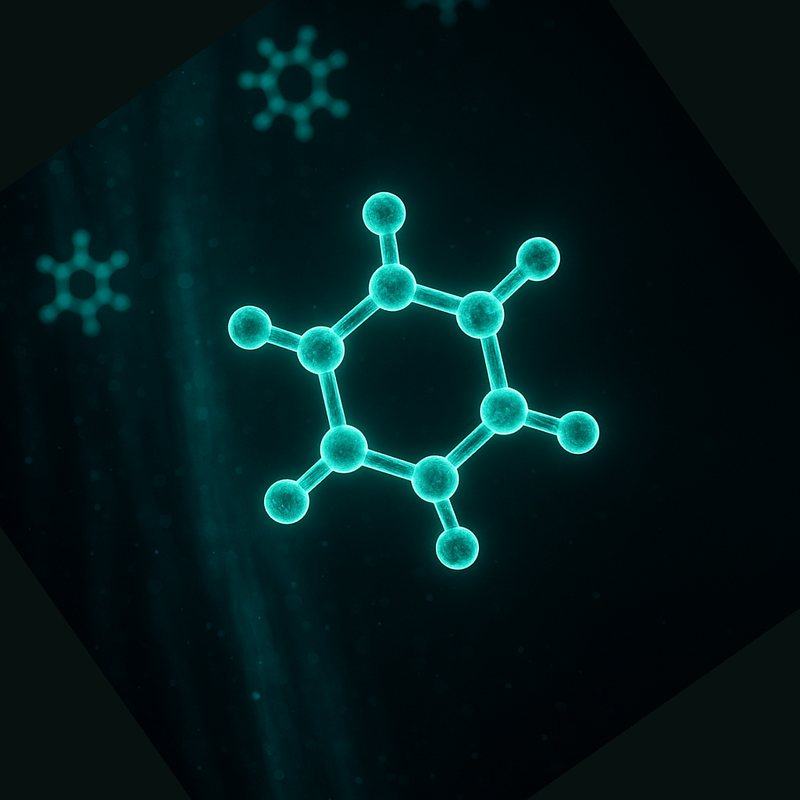
Your cells are coated with sugar-like molecules that help them recognize one another, a bit like ID badges at a secure building. Sialic acid is one of those recognition molecules.
It is found throughout the body wherever cells need to identify what they are touching, and it is a specified active in Turrigen's fractions.
Nucleotides: the building blocks.
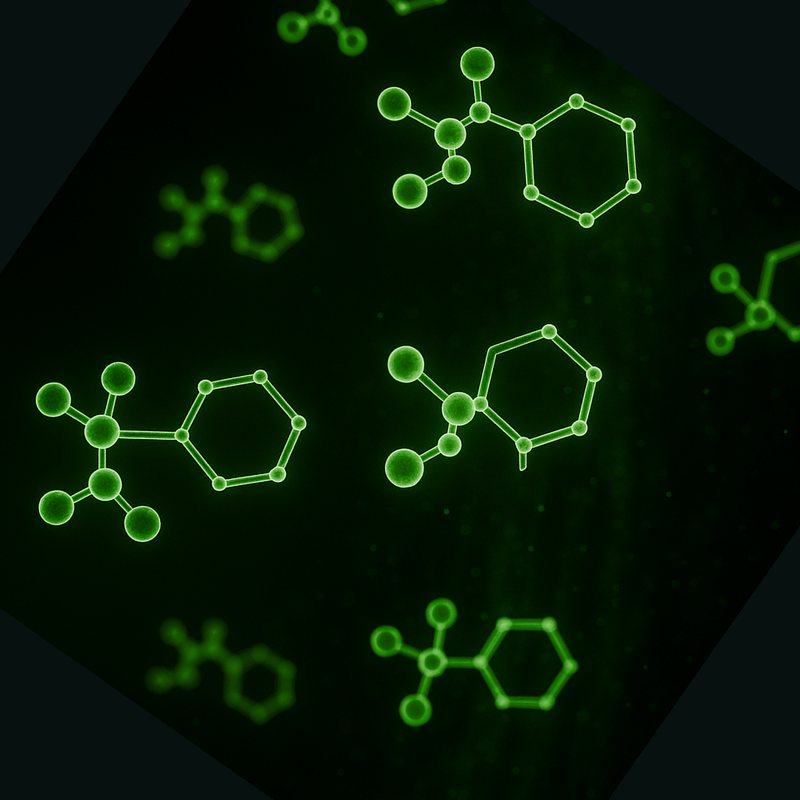
Nucleotides are the small parts your body uses to build DNA and to move energy around inside cells. Every cell uses them, all day, for normal upkeep.
The fractions naturally contain them alongside their signaling compounds.
Insulin-like growth factor: a small, natural amount.
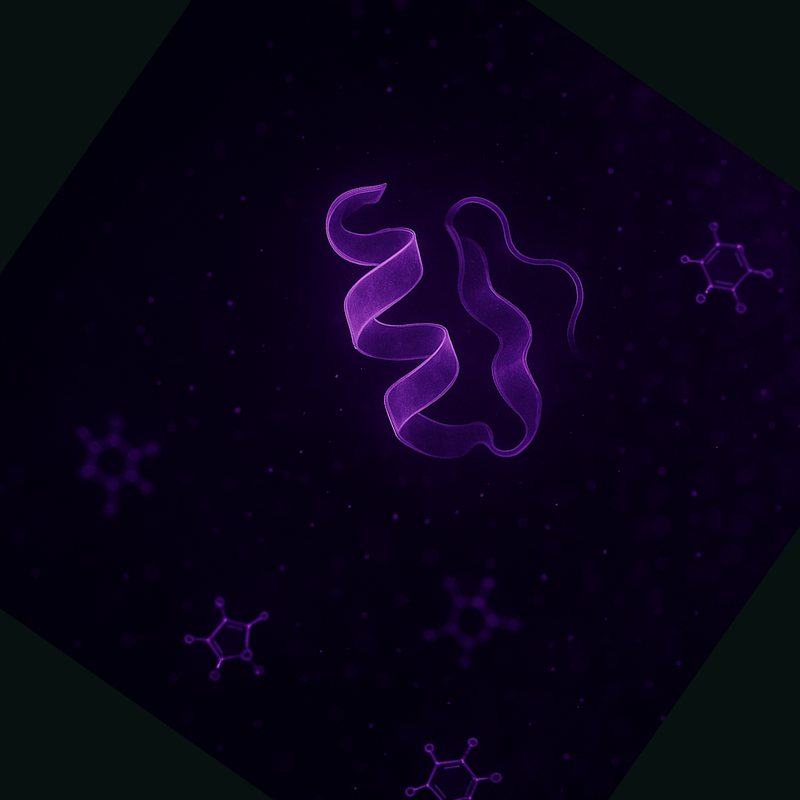
IGF-1 is a protein your own body makes every day. Colostrum naturally contains a small amount, and a small, specified quantity carries through into the fractions.
It travels alongside dozens of other naturally occurring compounds identified in published research on this material.
The amount evaluated in human research.
Each capsule provides 150 mg, the amount evaluated in the controlled human study described below.
150 mg per capsule: a single-dose study; long-term daily use was not evaluated
Act II: The human study
The question
What can change within two hours?

Researchers tested whether a single 150 mg dose of a fractionated, colostrum-derived ingredient could change selected immune-cell measures over a short post-dose window.
The participants
Twelve healthy adults took part.

The pilot study enrolled 12 healthy adults between 22 and 72 years of age.
The design
Randomized. Double-blind. Placebo-controlled.

Participants began with either 150 mg of the active fractions or placebo. Neither participants nor investigators knew which condition was given at the time.
Study period one
One dose. Three blood draws.

Blood was collected before dosing, then again one hour and two hours afterward.
The crossover
Then each participant switched conditions.

In the second study period, participants received the alternate condition: active fractions instead of placebo, or placebo instead of active fractions.
Study period two
The same sampling sequence was repeated.

Baseline, one-hour and two-hour measurements were collected again under the alternate condition.
The comparison
Each participant served as their own comparison.

Researchers compared the same person's response under the active and placebo conditions, reducing the influence of differences between participants.
What was measured
How readily did certain white blood cells engulf test particles?

Blood samples were analyzed for phagocytic activity in polymorphonuclear cells and monocytes. Phagocytosis is the process by which these cells enclose and take in particles during a laboratory assay.
The participants were not deliberately exposed to an infection, and this was not a test of whether the product prevented illness.
The main result
The clearest finding appeared at two hours.

At two hours, polymorphonuclear-cell phagocytic activity was higher after the 150 mg active fractions than after placebo (P<0.03).
The one-hour PMN and monocyte findings were trends, not statistically significant results.
Act III: What the result means
What it means
A measured cellular response, within a narrow evidence window.

The study provides preliminary evidence of a short-term change in selected immune-cell biomarkers after a single dose in 12 healthy adults.
Measured: short-term immune-cell activity and trafficking markers in blood samples.
Not measured: fewer infections, shorter illness, symptom relief, absorption or long-term clinical outcomes.
Put the science into practice.
The studied 150 mg amount. One capsule daily.*
Available as a single jar or as the 90-Day Protocol three-jar set.
Study at a glance
- Participants
- 12 healthy adults, ages 22–72
- Design
- Randomized, double-blind, placebo-controlled crossover
- Dose
- Single 150 mg oral dose
- Timing
- Blood collected at baseline, one hour and two hours
- Primary result
- Significantly greater neutrophil phagocytic activity at two hours versus placebo (P<0.03)
- Study type
- Acute biomarker study: a single dose with two hours of observation
Other observations from the study
- Circulating CD3+ T-cell numbers increased (P<0.05), but the study did not establish a clinical benefit from this short-term count change.
- Monocyte phagocytosis at one hour (P<0.12) and PMN-cell phagocytosis at one hour (P<0.08) were trends, not conventionally statistically significant findings.
- Circulating NK-cell numbers changed transiently, but the measured activation markers did not increase; the human study did not demonstrate NK-cell activation.
Limitations: a small sample (12 participants) and a short, single-dose observation window. The study measured short-term immune biomarkers; it did not test illness rates, long-term outcomes, or daily use.
Disclosure: the study was commercially sponsored, and one author was employed by the ingredient sponsor. The findings have not yet been independently replicated in a larger human trial.
Jensen GS, Patel D, Benson KF. A novel extract from bovine colostrum whey supports innate immune functions. II. Rapid changes in cellular immune function in humans. Preventive Medicine. 2012;54 Suppl:S124–S129. doi:10.1016/j.ypmed.2012.01.004.
Read on PubMed Publisher (DOI)
*These statements have not been evaluated by the Food and Drug Administration. This product is not intended to diagnose, treat, cure or prevent any disease.
Go deeper
Common questions
What are bioactive signaling peptides?
Short chains of amino acids that participate in biological communication. Many occur naturally in foods, and colostrum is an especially rich source.
Why use the low-molecular-weight fractions?
Because that is where colostrum’s small signaling compounds concentrate. Fractionation makes it possible to deliver them in one precisely portioned 150 mg capsule.
What compounds have been identified?
Approximately 50 low-molecular-weight compounds, led by bioactive signaling peptides. Proline-rich polypeptides and sialic acid are standardized in the manufacturer’s specification, alongside nucleotides, insulin-like growth factor and numerous additional naturally occurring compounds.
What did the human study measure?
Short-term immune biomarkers (neutrophil phagocytic activity and circulating immune-cell counts) before and after a single 150 mg oral dose, against placebo.
Why is the serving only 150 mg?
It is the amount with direct human-study precedent, delivered as concentrated fractions rather than whole colostrum. The study was not a dose-ranging trial, so 150 mg reflects evidence, rather than a claim of optimal dosing.
How is this different from conventional colostrum?
Conventional colostrum powders deliver the whole material (dominated by large proteins including IgG) at gram-scale servings. Turrigen concentrates the low-molecular-weight fractions, which contain no IgG, and delivers them at the studied 150 mg amount.
What research is still needed?
Larger and independently replicated human trials, longer durations, clinical outcomes, and product-specific absorption work. We treat the current evidence as a foundation for further research.
Research references
- Jensen GS, Patel D, Benson KF. A novel extract from bovine colostrum whey supports innate immune functions. II. Rapid changes in cellular immune function in humans. Preventive Medicine. 2012;54 Suppl:S124–S129. Commercially sponsored; one author was employed by the ingredient sponsor.
- Benson KF, et al. A novel extract from bovine colostrum whey supports anti-bacterial and anti-viral innate immune functions in vitro and in vivo. Preventive Medicine. 2012;54 Suppl:S116–S123. Preclinical; sponsored by the ingredient manufacturer.
- Christiansen S, Guo M, Kjelden D. Chemical composition and nutrient profile of low molecular weight fraction of bovine colostrum. International Dairy Journal. 2010;20:630–636.
- Dallas DC, et al. Comprehensive peptidomic and glycomic evaluation reveals that sweet whey permeate from colostrum is a source of milk protein-derived peptides and oligosaccharides. Food Research International. 2014;63:203–209.
- Alpert A, et al. A clinically meaningful metric of immune age derived from high-dimensional longitudinal monitoring. Nature Medicine. 2019;25:487–495.
- Mogilenko DA, et al. Comprehensive profiling of an aging immune system reveals clonal GZMK+ CD8+ T cells as conserved hallmark of inflammaging. Immunity. 2021;54:99–115.
- Daniel H. Molecular and integrative physiology of intestinal peptide transport. Annual Review of Physiology. 2004;66:361–384.
- Koopman R, et al. Ingestion of a protein hydrolysate is accompanied by an accelerated in vivo digestion and absorption rate when compared with its intact protein. American Journal of Clinical Nutrition. 2009;90:106–115.
- Miner-Williams WM, Stevens BR, Moughan PJ. Are intact peptides absorbed from the healthy gut in the adult human? Nutrition Research Reviews. 2014;27:308–329.
- Ulfman LH, Leusen JHW, Savelkoul HFJ. Effects of bovine immunoglobulins on immune function, allergy, and infection. Frontiers in Nutrition. 2018;5:52.